How Syngenta’s REVERTE® project is restoring degraded pasture in Brazil

In the Berkshire hills of England, about an hour’s drive from London, you’ll find Syngenta’s Jealott’s Hill International Research Centre.
More than 800 scientists work here across crop protection research and development. It is the largest R&D site in Syngenta’s global research network.
For almost 100 years, it’s been a powerhouse of discovery and collaboration. The innovations developed here have allowed farmers around the world to grow more food, more sustainably.
The early breakthroughs
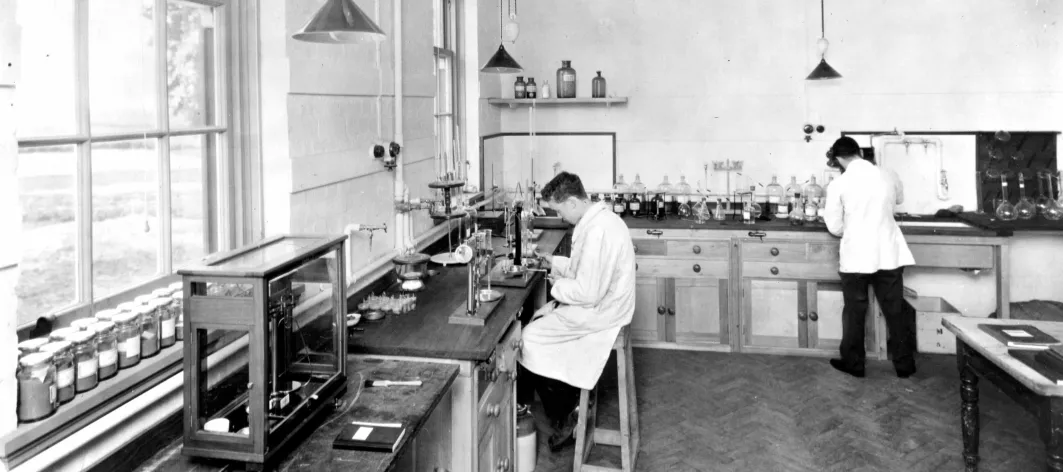
In its early years, the site’s research focused on raising agricultural productivity.
At the start of the 20th century, scientists understood the important role fertilizers played in productivity, but ammonia was in short supply. A breakthrough came with the work of the Nobel Prize winning German chemists Fritz Haber and Carl Bosch, and their discovery and refining of the process for making ammonia at an industrial scale.
This represented a massive opportunity to raise the general productivity of farmland but required careful study to understand how to use it most effectively. Oxford Professor Sir Frederick Keeble called for the establishment of a research station and testing farm to demonstrate new ways of working with fertilizers in the 20th century.
By 1927, purchase was completed on around 175 hectares of land near Bracknell in Berkshire, comprising two adjoining farms: Jealott's Hill and Nuptown. The vision was for a centre for agricultural research that would demonstrate farming methods to help farmers maximize the benefits from the fertilizer revolution.
In 1928, Professor Keeble became the first director of the research station, and studies officially began.
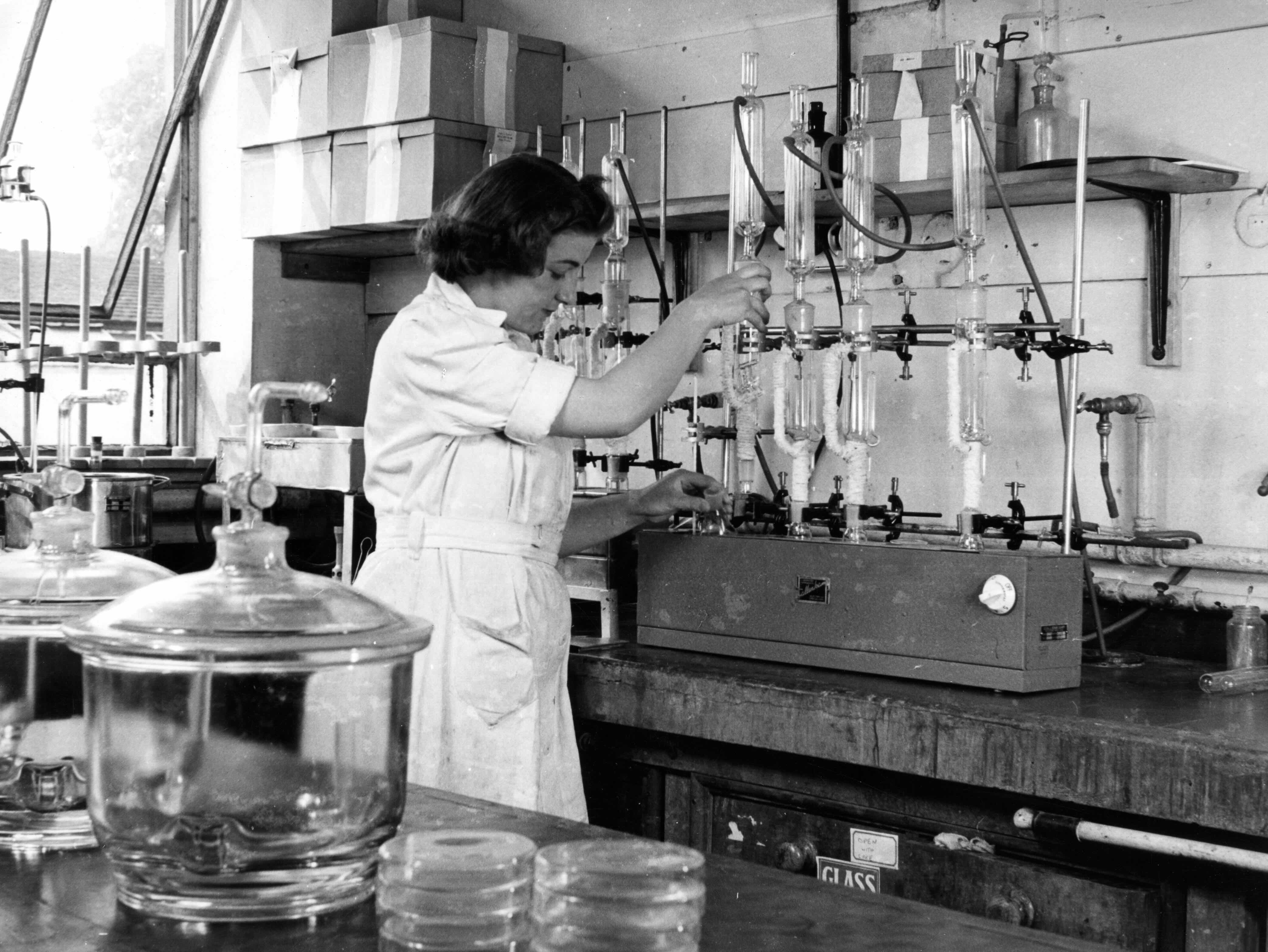
The following year, on June 28, 1929, more than 700 guests (including the Egyptian Prime Minister and the Belgian Ambassador) attended the official opening of the custom-built Jealott's Hill House, complete with offices, laboratories, and a library.
Wartime innovation and the revolution in crop protection
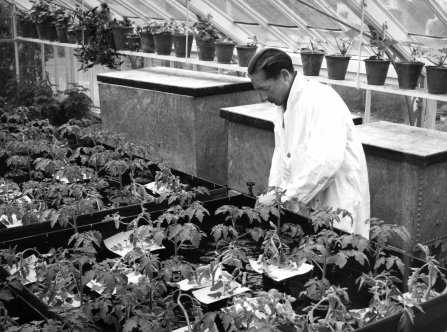
The Second World War brought fresh urgency to agricultural research because of rationing and food shortages. With many staff called up for military service, the site continued its work on food production. Local women from the Land Army helped harvest crops, and research aimed at improving productivity intensified.
The 1940s saw two of the most significant discoveries in the history of crop protection. In 1940, researcher W.G. Templeman observed that certain chemicals could kill weeds without harming the crop. This led to the synthesis and development of two of the first selective herbicides, transforming cereal farming.
Simultaneously, researchers discovered that a compound called benzene hexachloride had powerful insecticidal properties. Its most effective form became known as Gammexane. This compound proved remarkably effective against wireworms, a pest that was a serious problem in wartime grasslands newly ploughed for agricultural use.
Gammexane was also shown to be effective against locusts and so field trials were organized in Africa. The product was crucial to ushering in a new era of insect control in agriculture, horticulture, stored products, and public health.
These discoveries represented real scientific advances for the time but have been since been superseded by later innovations.
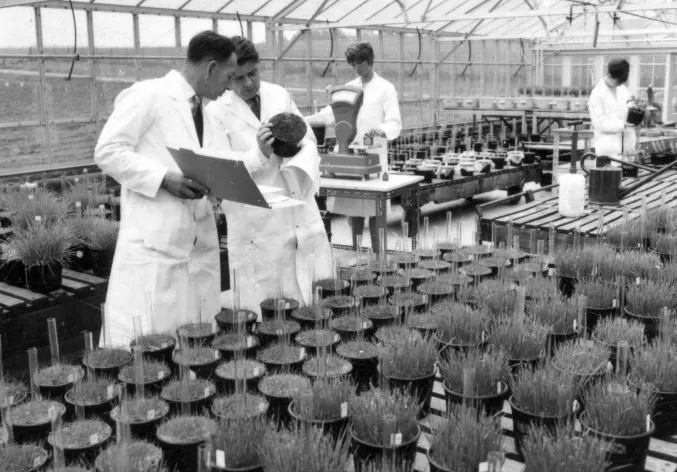
The first ever low-volume sprayer in Britain was also developed at Jealott's Hill to apply these new chemicals effectively, and precision application remains a key research topic at the site to this day.
Environmental leadership and expanding capabilities
By the 1960s, Jealott's Hill was already establishing new standards for responsible innovation. The formation of an Ecology section, which was probably the first of its kind in the industry, reflected growing awareness of the need to understand environmental impacts. This prescient move positioned the site to be able to respond to new regulatory requirements that would emerge in the following decade.
The 1960s also proved exceptionally productive for new product development. One such discovery, ACTELLIC®, is still used to help protect millions of people from mosquitoes and limit the spread of malaria.
In 1969, all environmental studies were consolidated into a new Environmental Sciences Group. This meant that when the USA’s Environmental Protection Agency began regulating pesticide registration in 1972 and issuing guidelines that many countries subsequently adopted, Jealott's Hill was already prepared.
Pyrethroids and precision application
The 1970s and 1980s brought innovations in synthetic pyrethroids – this was a chemical group that mimicked the structure of a naturally occurring insecticide derived from chrysanthemum flowers. The discovery of the pyrethroid cyhalothrin led to the development of the new insecticide KARATE® which is used on more than 100 different crops to control sucking and chewing pests like aphids, caterpillars and beetles Invented and developed at Jealott's Hill, it would earn the site a Queen's Award for Technological Achievement in 1992.
The 1970s also saw continuing work on novel application methods. The Electrodyne system used electrostatically charged droplets to precisely target crops, eliminating the need for water and reducing chemical usage at the same time.
Learning from nature: the strobilurin revolution
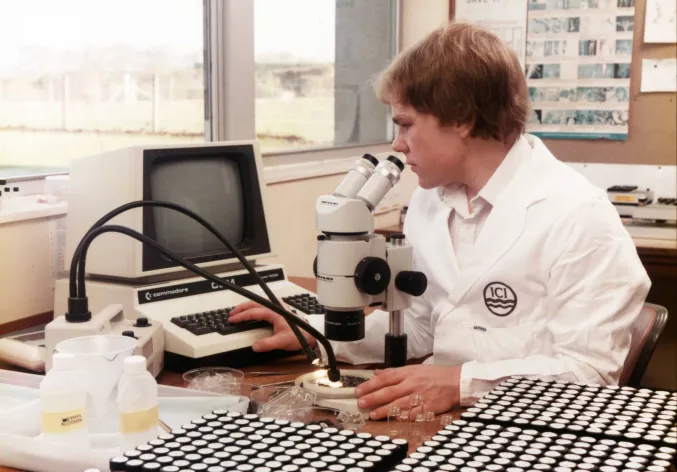
In 1982, researchers embarked on an ambitious programme to develop fungicides based on some naturally occurring molecules found in mushrooms. Over six years, more than 1,400 chemically related compounds were synthesized and analysed, aided by early computer modelling. In 1988, the team synthesized and patented azoxystrobin, a strobilurin fungicide that would transform disease management.
At the end of 1992, a product utilizing azoxystrobin, marketed as AMISTAR®, was officially announced at the British Crop Protection Conference in Brighton. Work continued throughout the decade to develop the product for all the world's major crops, including wheat, barley, rice, oilseed rape, sugar beet, and a wide range of fruits, nuts, and vegetables.
By 1997 AMISTAR® had become the world's best-selling fungicide. At the start of the new millennium, UK Prime Minister Tony Blair granted AMISTAR® Millennium Product status, recognizing it as a product that challenged existing conventions, demonstrated environmental responsibility, and applied new technology.
When Syngenta was formed in 2000, Jealott's Hill became the new company's flagship research site, covering everything from crop protection discovery to environmental science and crop genetics.
Since the days of Professor Keeble, farming has evolved and new needs have emerged. These range from new pests and diseases threatening global food security to new weed problems limiting yields. But just as they always have done, the experts at Jealott’s Hill keep pushing forward to develop new solutions.
Take the discovery and development of pinoxaden, a breakthrough herbicide to manage invasive weeds like black-grass, wild oats or Italian ryegrass. As what’s known as an ACCase inhibitor, meaning it eliminates grassweeds without damaging the crops. Sold under the name AXIAL® and offered with a leading formulation it offers farmers reliable performance and a wide window for applications. ACCase inhibitors have continued to be an area of excellence for Syngenta, with the discovery of VIRESTINA™ technology that was developed with the help of experts at the site.
The two decades of the new millennium saw further breakthroughs with the discovery and development of ADEPIDYN® technology, a game-changing, broad-spectrum fungicide that offers farmers a new way of controlling diseases such as fusarium head blight and powdery mildew that can ruin farmers’ harvests. It’s currently used on more than 100 vital crops in 50 countries worldwide.
By 2021, PLINAZOLIN® technology was introduced. With rain-resistant properties and utilising a novel mode of action, this insecticide controls a range of pests like stink bugs, thrips and mites.
Research has also expanded beyond synthetic chemistry into biologicals, investigating the naturally occurring compounds that can control diseases, boost plant growth and help crops use nutrients more efficiently.
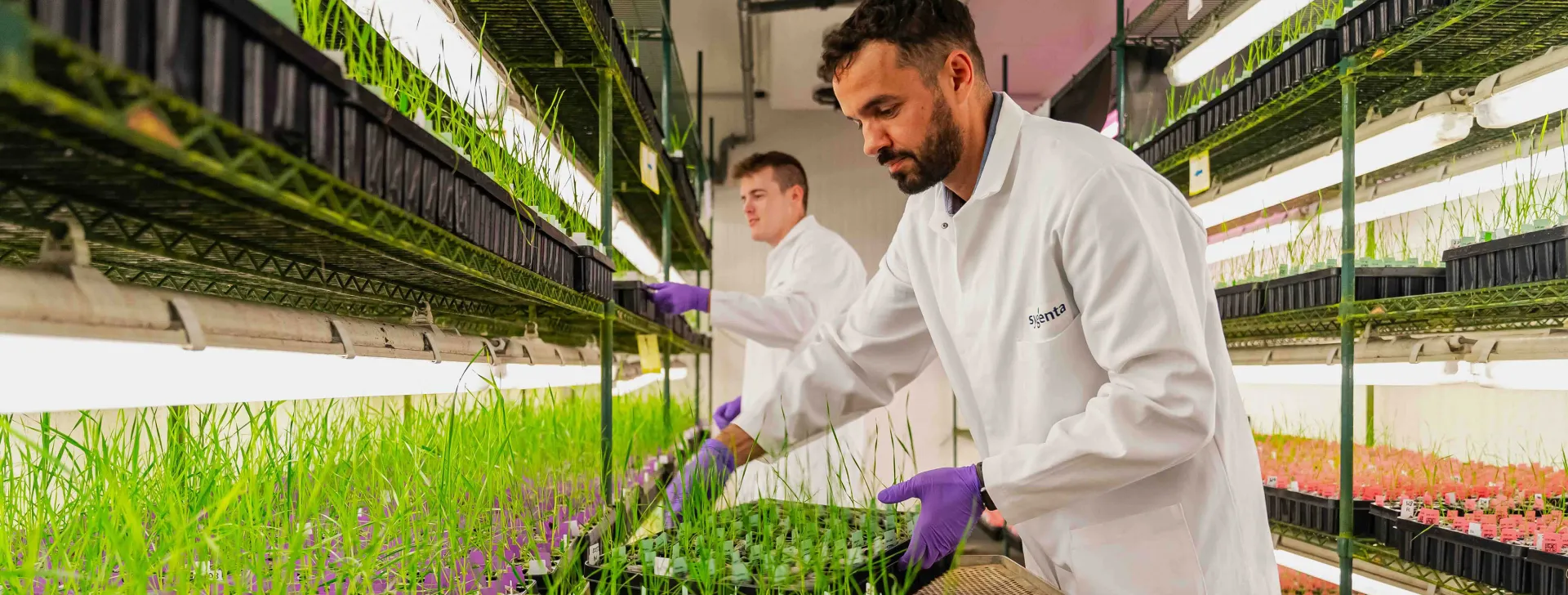
The site has also continued to build out its research facilities, including a 4,000 m² advanced greenhouse complex for testing crops under different climates and high-throughput chemical libraries containing millions of compounds.
Today, Jealott’s Hill is known world-wide as a site for cutting-edge weed-science and resistance research, advanced formulation and delivery technologies and as pioneers in digital agriculture, the use of data science and integration of artificial intelligence.
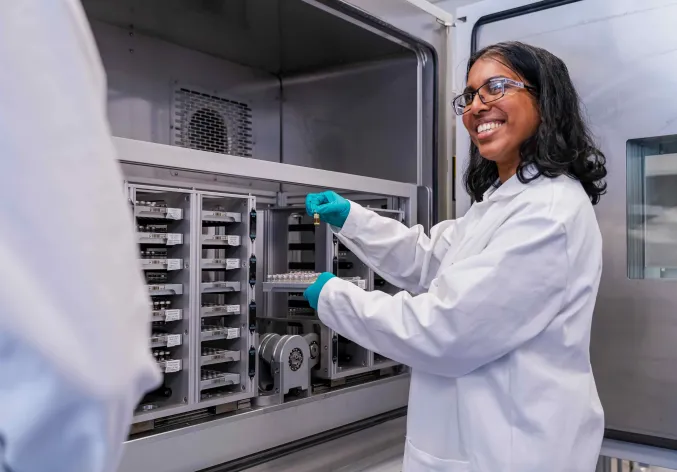
Still discovering....
Throughout Jealott’s Hill’s history, several factors have remained constant: the quality, passion and commitment of the people, adherence to rigorous scientific method, and an open-minded, collaborative approach.
From early fertilizer research to revolutionary herbicides and insecticides, from systemic fungicides to strobilurin breakthroughs, from pyrethroid insecticides to biotechnology advances, Jealott's Hill has been at the forefront.

As Syngenta breaks ground on the new Biologicals Science Technology and Research (BioSTaR) building, the next chapter in this story begins. Focused on the next generation of sustainable solutions, BioSTaR combines pioneering scientific research with the latest analytics and AI.
For the scientists at Jealott's Hill, inspired by the past yet busy working on the challenges of tomorrow, it will provide a cutting-edge environment to develop the next generation of products and technologies that will help feed a growing global population while protecting the environment.
了解最新信息
通过电子邮件接收先正达集团新闻稿