
What do you think when you hear the words ‘business as usual’?
Maybe you picture things ticking along as they always have. The same actions leading to the same expected outcomes, over and over. Smooth sailing under clear, blue skies.
But when it comes to our climate, a business as usual approach will lead to anything but that.
Instead, it will trigger food shortages on a global scale – despite our extraordinary ability to cultivate plentiful crops. More people will go hungry because they cannot find or afford enough food to eat. Medicine shortages will result in vulnerable people going without what they need. Some of us may be fighting for the bare essentials.
Image
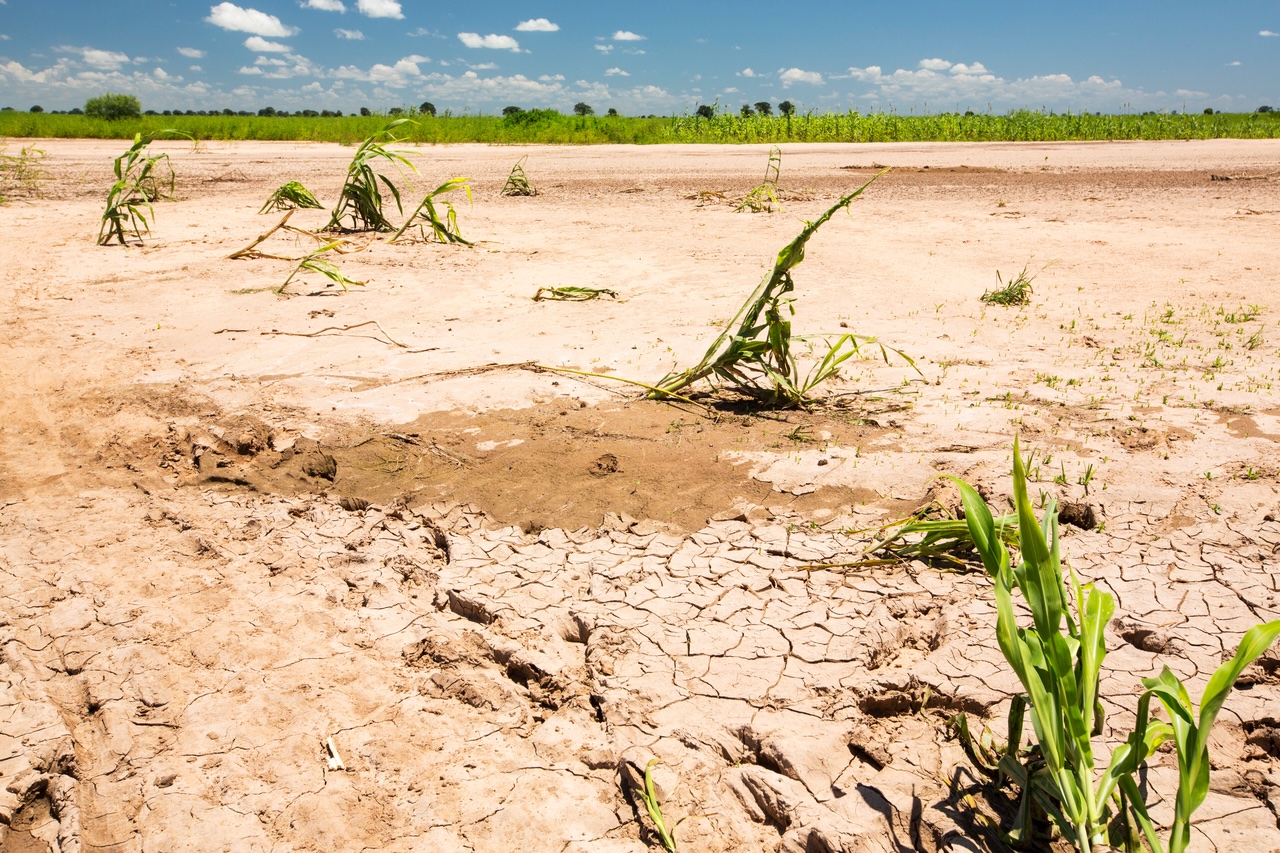
Increasing weather extremes, including drought, make it more difficult for farmers to grow healthy crops.
These are just a few of the issues we might face if we manage to limit climate warming to 3 degrees Celsius. Because a ‘business-as-usual’ approach to mitigating our climate still has us on track for potentially catastrophic levels of global warming.
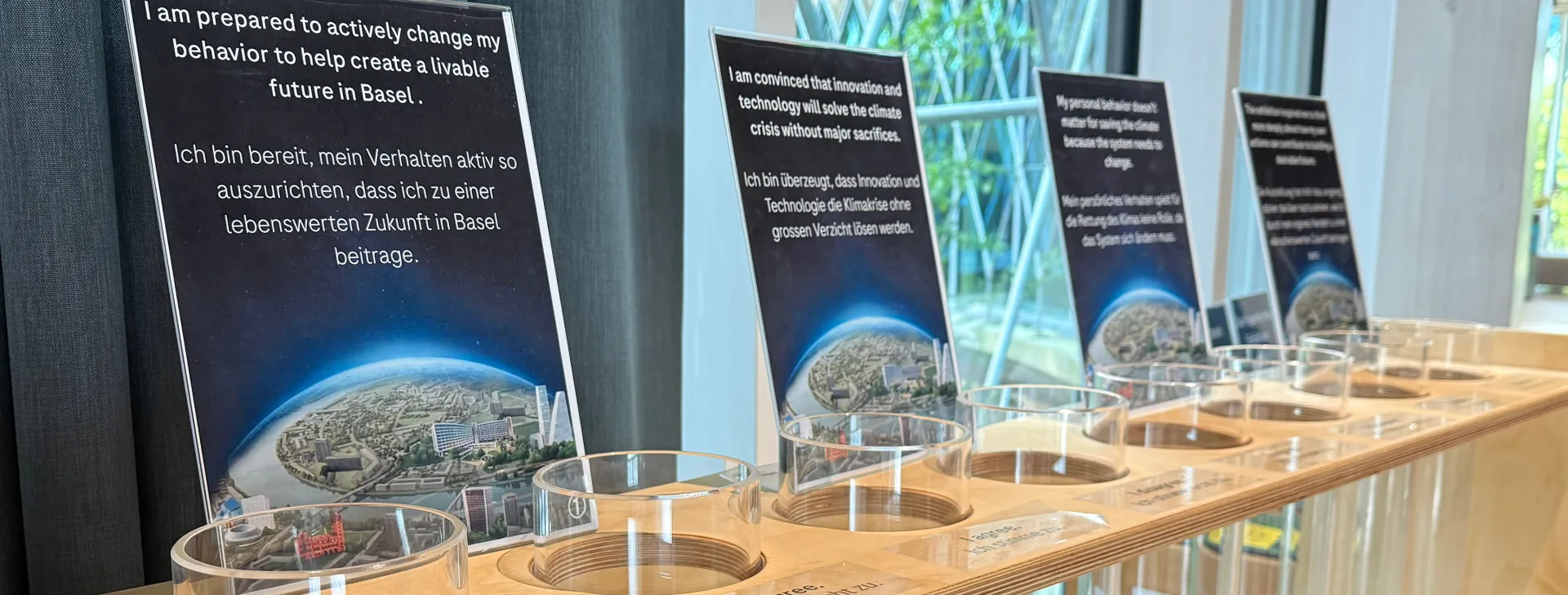
It’s one of the four climate scenarios explored at a provocative exhibition, ‘Changing Climate, Shared Future’, that was held in Basel, Switzerland, and was open to the public. Hosted by the companies that form the background of Basel's world-renowned life science cluster: Syngenta, Novartis, Roche, and Lonza, alongside local government, the captivating experience reimagined possible futures according to our current climate commitments.
Petra Laux, Syngenta Group’s Chief Sustainability Officer, sums it up: “It’s a confronting experience, but one that has the potential to encourage people to make real changes to how they live.”
Image
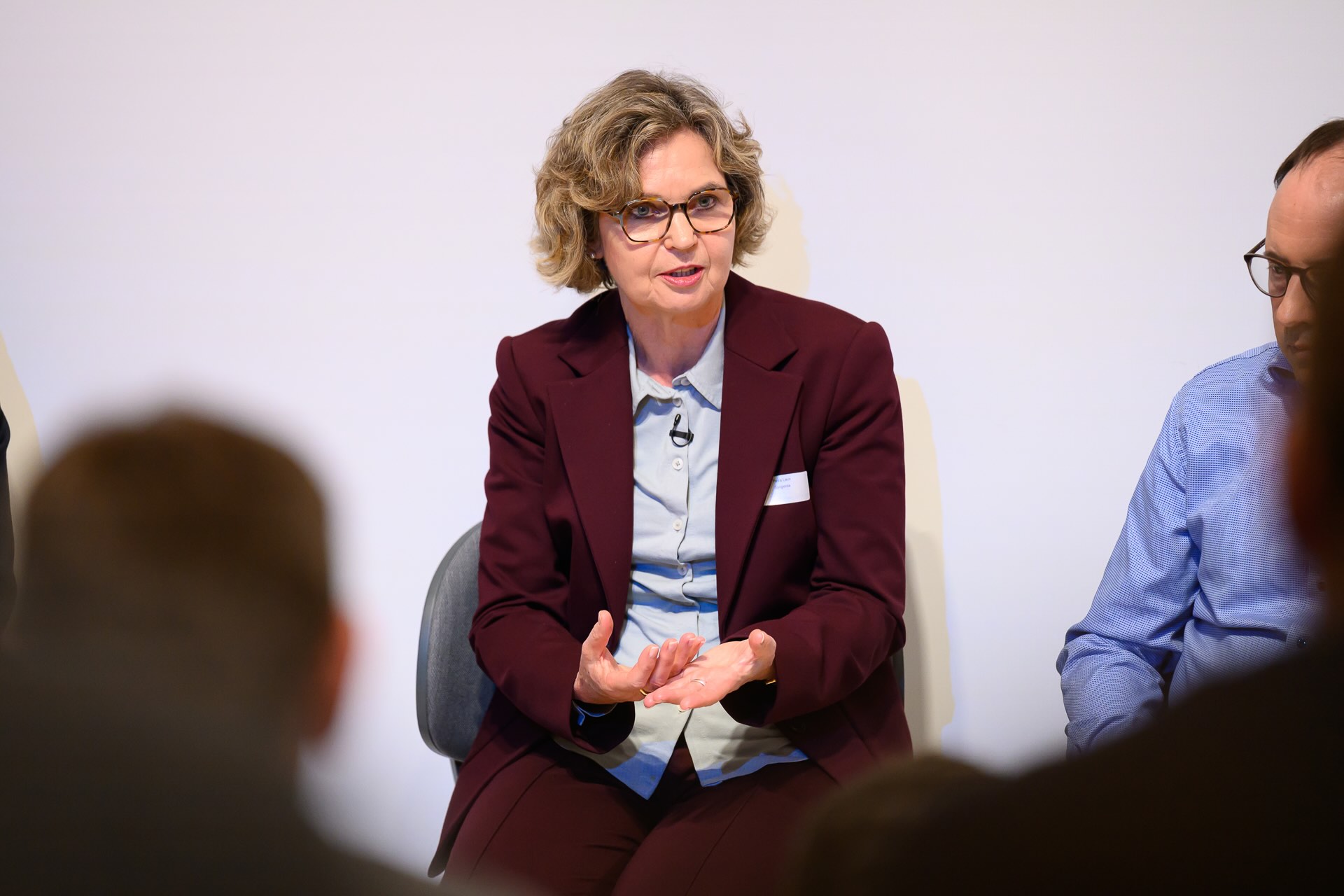
Petra Laux, Chief Sustainability Officer, Syngenta Group
Image
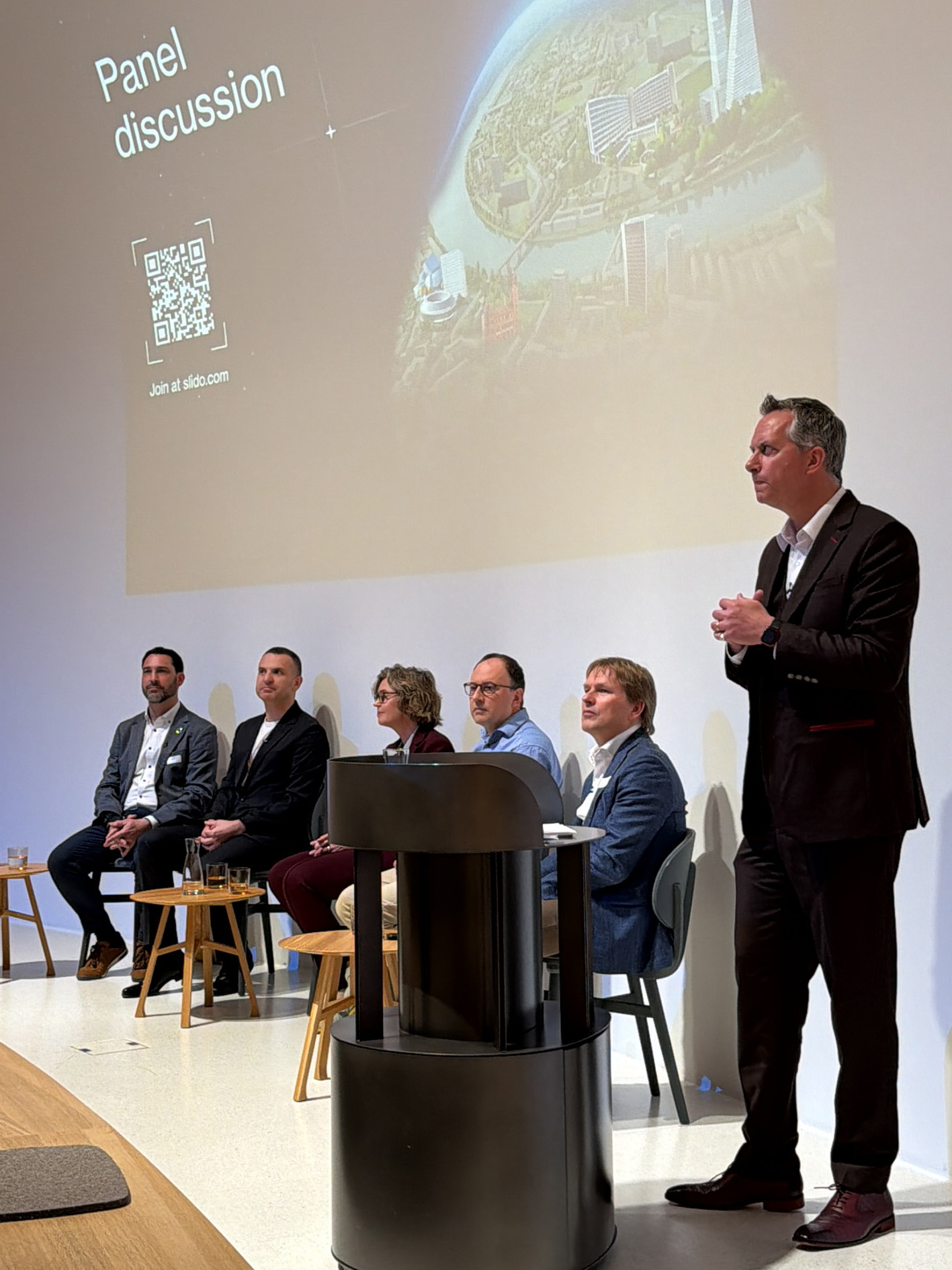
Left to right: Till Berger, Head of Climate Unit, Kanton Basel-Stadt; Korab Zuka, Global Head of Social Impact & Chief Sustainability Officer, Novartis; Petra Laux, Chief Sustainability Officer, Syngenta Group; Pierre Reuse, Global Head of Sustainability, Lonza; Barend van Bergen, Chief Sustainability Officer, Roche; Dimitri Houtart (moderator), Head External Communications, Syngenta Group.
Developed by EY, a global professional services organization, the thought-provoking experience didn’t shy away from the negative effects linked to climate change – effects that may soon shape our own reality. It may have been a challenging experience for some. And for others, like Petra, it might have reignited their need to do more.
“I thought a lot about the ‘business as usual’ scenario, which leads to global warming of 3 degrees Celsius and shortages of essential daily goods we all need, like food and medicines, safe air, safe environments,” she says.
“So, this actually gives me lots of energy to think about how we can join the farming community and the wider value chain to work harder to decrease the impact of agriculture with the innovation we have at-hand, today.”
The opening night of the exhibition also offered the opportunity for frank cross-sector discussions on climate change, and the role companies played in it. Bringing together Basel’s leading life-sciences companies, it was an example of exactly the kind of open collaboration needed to face climate challenges – now and in the future.
Image
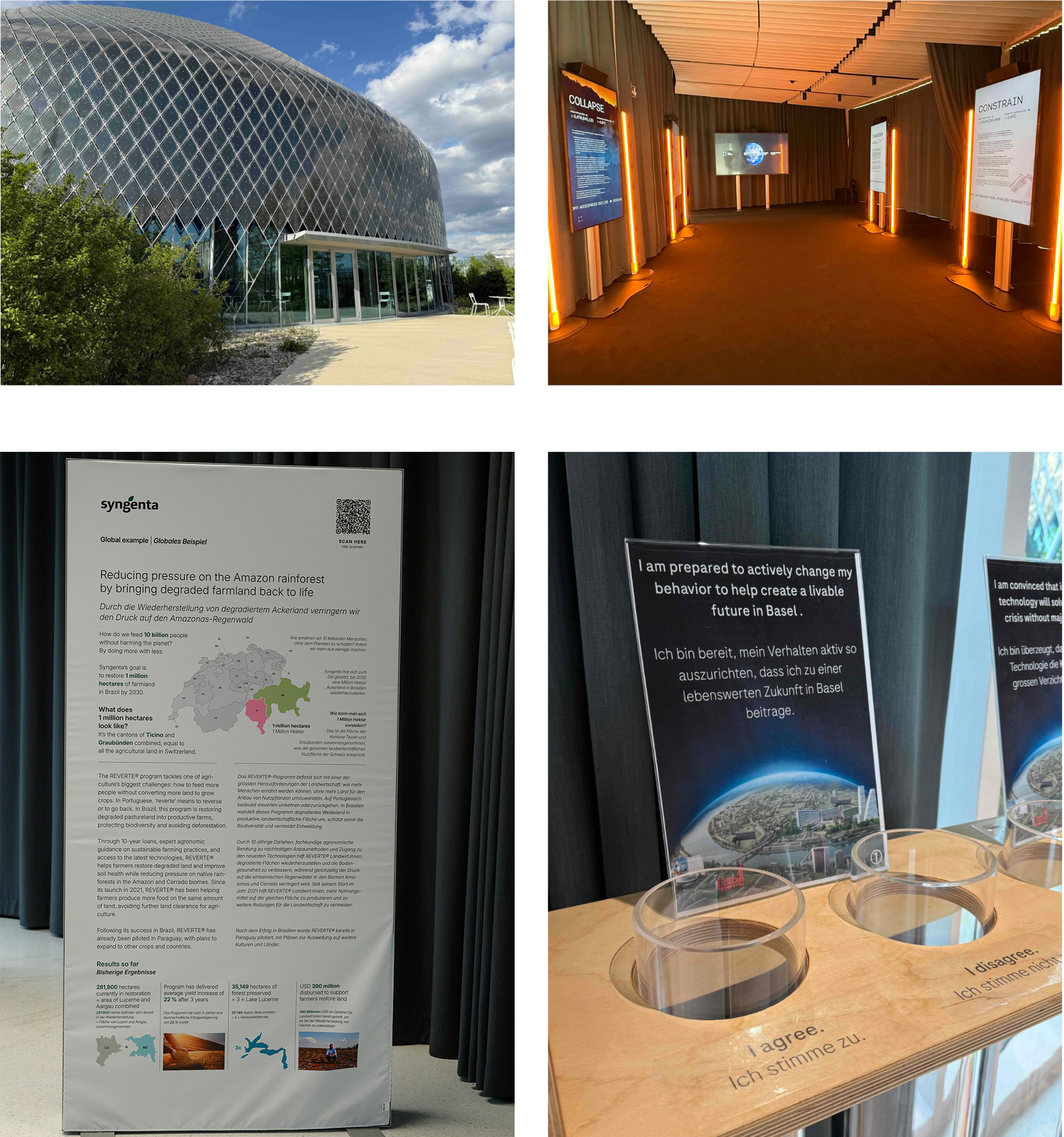
The exhibition showcased case studies from across the four leading life science companies on how they are responding to the challenges posed by climate change.
With a legacy dating back more than 250 years in Switzerland, Syngenta is a company most residents are familiar with. But many may not realize the extent to which the company is supporting Swiss farmers, and those around the world, to grow more with less.
Offering products and agronomic advice that helps farmers to reliably grow food in a changing climate and lower farm emissions, the company is also reducing emissions from its own operations – with sustainability embedded across Syngenta’s business model.
Because it’s not one single decision or company that will mitigate climate change: it’s a series of decisions, made by many people over time, that will have an effect. Right now, the future is still in our hands.
